

Photo Essays
7 MIN READ

How the Rais of Bhojpur use alcohol to soften life’s blows
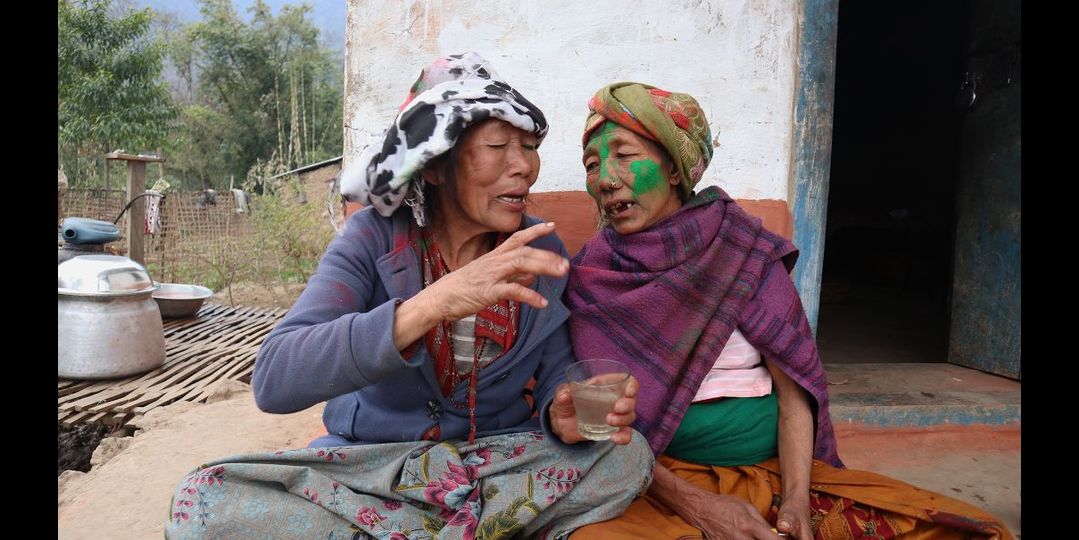
‘अरक चाना बानाओ, सीम्मा
रक्सी खान आउ है, कान्छी’
My father always says that the Rai people are “backward and lead a life of self-destruction” because there is too much alcohol in our culture. He has kept himself away--almost as an antidote--from even the smallest droplet of alcohol. The idea that we are a “backward” people has stuck with me for a long time, growing stronger as I read and heard our community’s scholars echoing the same ideas. I figured it was time to find out what I believed. So I set out to confront the people of the place where my father had constructed his beliefs, his hometown in Bhojpur--Sikteltar.
There, I questioned the men about why they drank alcohol excessively. In their answers, they brought up issues to do with religion and power. “Sumnima, the wife of the first Kirat man, Paruhang, created it and used it for various reasons,” they said. “Hence, we too must consume the gift of the goddess that fills us with courage and vigour.”
When I asked the women the same question, they revealed their private burdens, stashed away as if in a box. Each box was full of stories known to the whole village, but never truly comprehended by anyone. There are a lot of these boxes in Sikteltar, and they are deeply personal. They are filled with the pain of losing children to cancer, to suicide and difficult-to-pronounce diseases; with the stiff mental stress arising from escalating debts; with the sweat and exhaustion from working a whole day under the scorching sun. But all will be forgotten, though momentarily, with the first sip of a bowl of homemade liquor.
Surprisingly, the women admit they are addicted to alcohol, or arakkha, as it is known in the Rai language, and some of them can’t function without rice wine or umma. Some have tried breaking their drinking habit and have even migrated to fizzy drinks such as Mountain Dew, only to find themselves crawling back to alcohol after a few months. A stop on brewing alcohol in the first place would make things easier: many have suggested this idea. But the women say, “We need jaanrko chokra (spent grain) to fatten the pigs and alcohol to serve our guests and neighbours. Pigs give us meat and money, and guests, prestige.”
For two-and-a-half weeks, I stayed with the women, whom I refer to as nini and muma. I went into the forest with them to collect fodder, and to the fields to sow corn seeds. We ate together, danced at weddings together. Their days started with the smell of local alcohol brewing in a corner of their homes and ended with the taste of alcohol lingering on their tongues. While many would view this as a ‘problem’, I viewed their relationship to alcohol as a symbiotic act of sustaining a life full of hardship. The skill of making alcohol had been passed on to the Kirati women through generations and they are simply holding onto it. They are using whatever means they have and know to make their lives a little easier to live.
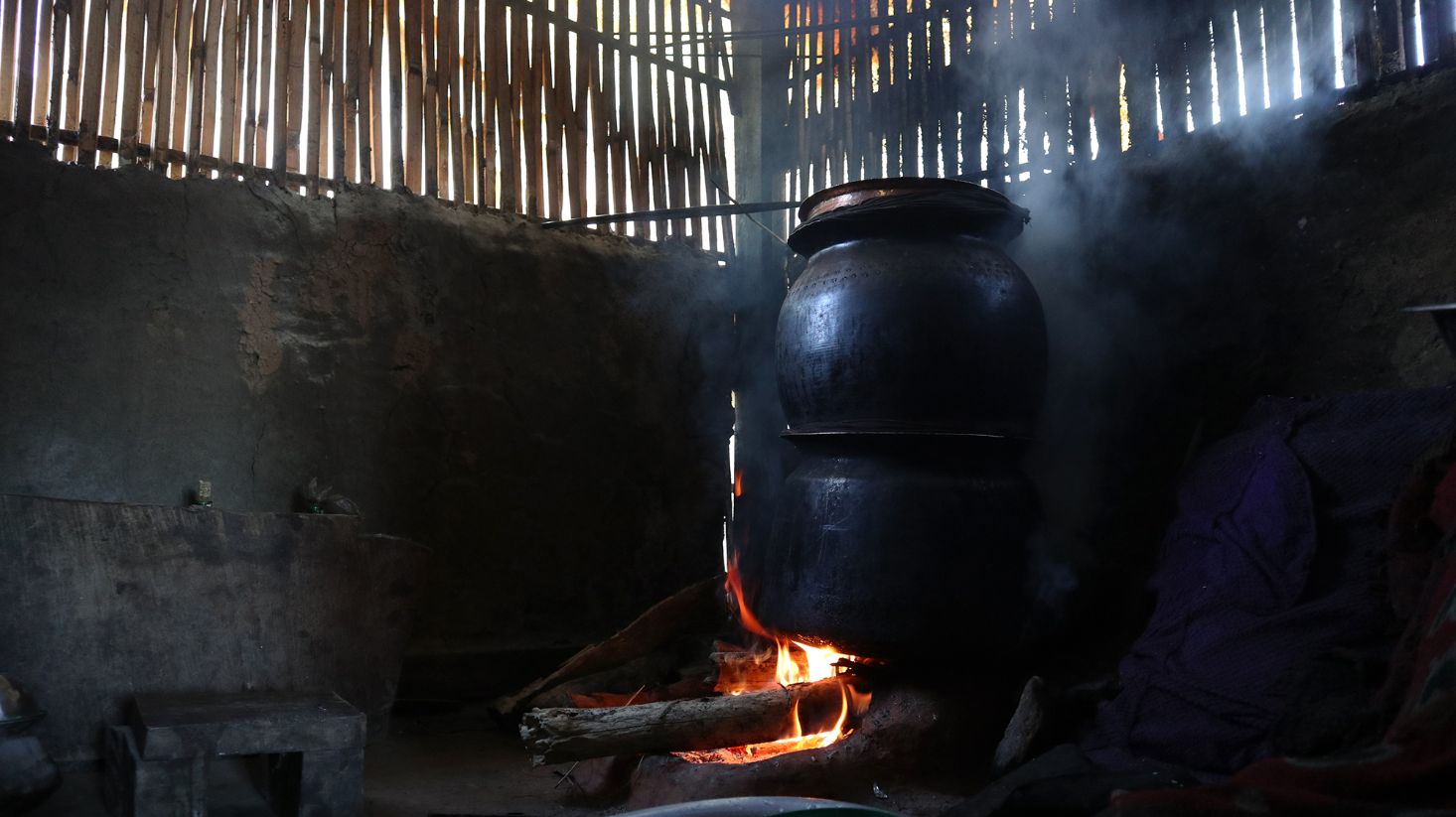

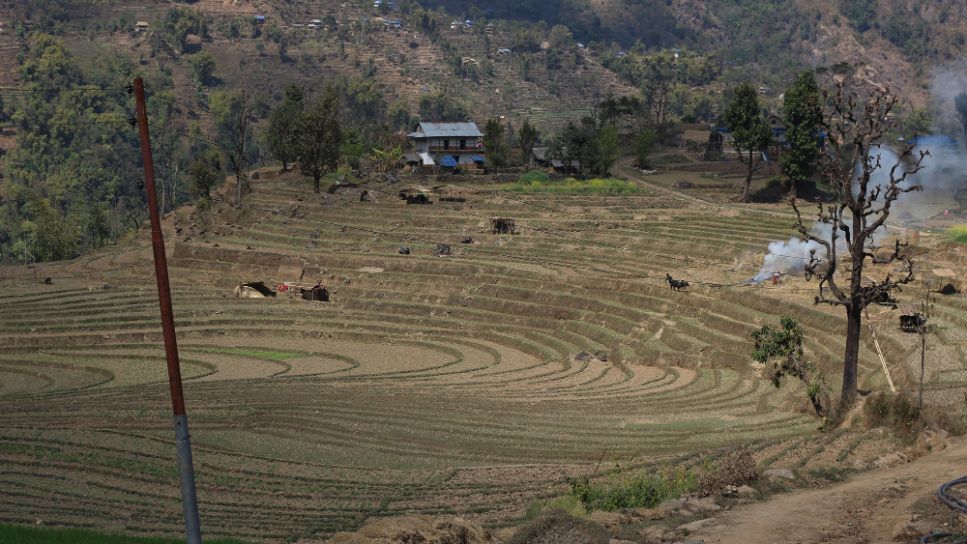


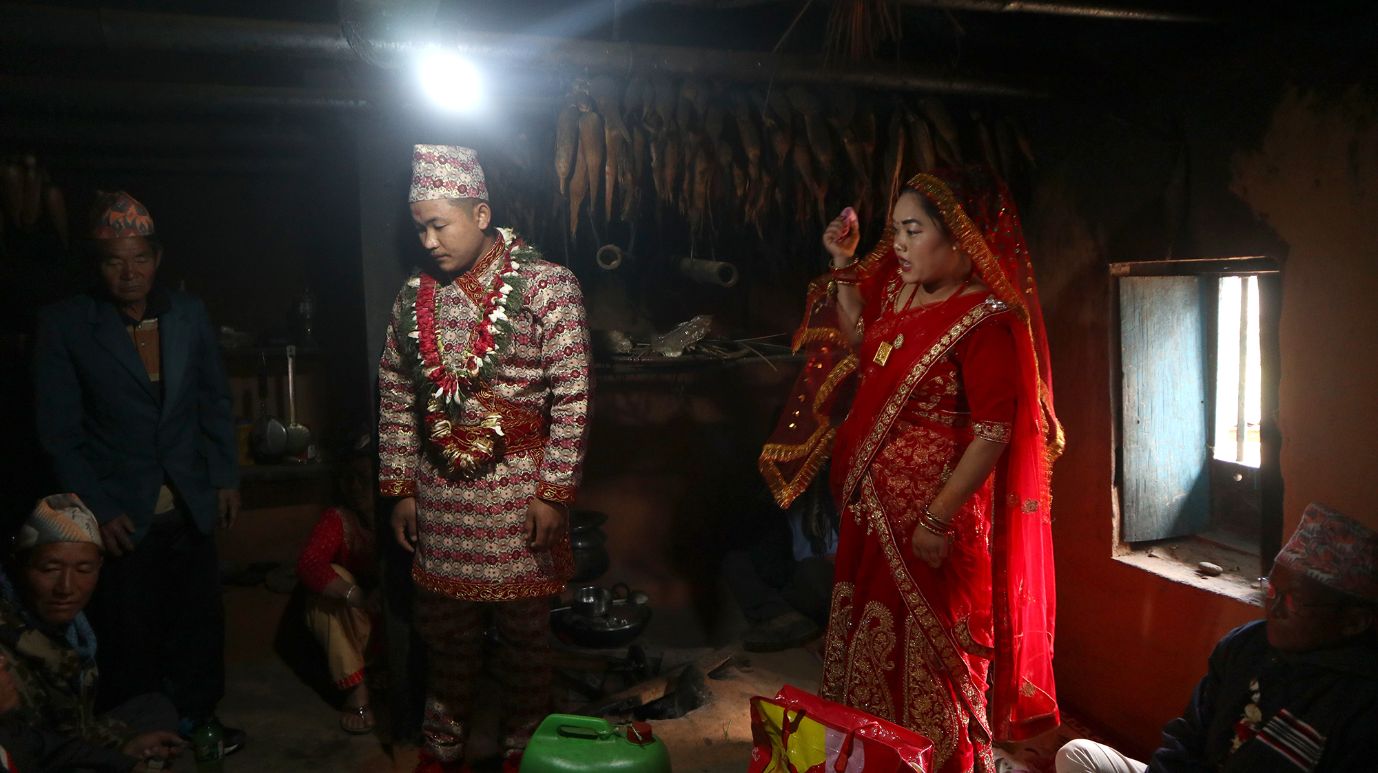


The photo essay was made during the International Storytelling Workshop 2020, hosted by Photo.Circle (Nepal) in collaboration with Oslo Metropolitan University (Norway), Pathshala South Asian Media Academy (Bangladesh) and VII Academy (USA). It is a part of a documentary film which will be premiered at Pame Film and Music Festival in September 2020.
::::::::::

Sikuma Rai Sikuma Rai is a visual storyteller based in Lalitpur, Nepal. She has been involved in the media since the age of 18 and has been in multimedia journalism specifically for the past three years. "अरक चाना बानाओ, सीम्मा” (Come over for a drink, Kanchhi) [2020] is her first documentary. She can be reached at [email protected]


COVID19
News
3 min read
Daily summary of all Covid19 related developments that matter

COVID19
News
3 min read
A daily summary of all the COVID19 related developments that matter

COVID19
News
4 min read
In a move that was long overdue, Nepal’s government to start tracking patient contacts

Photo Essays
Features
16 min read
Retired British General Sam Cowan recounts the times he spent with five Gurkha Victoria Cross holders from the Second World War.

COVID19
Features
3 min read
Nepal’s first Covid19 death was not caused by the coronavirus

Longreads
19 min read
An international investigation has revealed how many Nepali business persons and companies have used tax havens to stash wealth and avoid taxes.

Features
6 min read
New ICE regulations could force international students to return home

Features
13 min read
The ban on this year’s harvest due to Covid-19 threatens livelihoods and risks furthering the nation’s food insecurity