LOGIN DASHBOARD

    Photo Essays

    3 MIN READ

    A Journey Through the Maoist Heartland

    Nabin Bibhas, July 10, 2019, Kathmandu

    A Journey Through the Maoist Heartland

      Share this article

    Rolpa and Rukum 13 years after the war

    (Nabin Bibhas)

    The Maoist insurgency began with simultaneous attacks on three police posts on Feb 13, 1996, two of which were in Rolpa and Rukum. With the attacks began a decade long civil war that claimed close to 17,000 lives, and led to a political transformation that changed the course of Nepali history. The Maoists gained a stronghold on political power after the war. They have led three  governments and, since their merger with the Communist Party of Nepal-Unified Marxist Leninist (UML) have formed the largest ruling party in Nepal to date.

    In Rolpa and Rukum, the Maoists had some support— and a strong coercive network — which they used to establish parallel governments and state structures. The general consensus in political circles is that the war is over and Nepal has successfully transitioned into a federal democracy. But a splinter group, led by former Maoist youth leader Netra Bikram Chand ‘Biplab’, who hails from Rolpa, believes that the revolution is far from complete. He is now attempting to mobilize a new generation of youth in Rukum and Rolpa to fight for this cause under the banner of his Communist Party of Nepal (CPN). 

    13 years after the end of the war, we visit Rolpa and Rukum to see what life is like in what was, and continues to be, the Maoist heartland. 
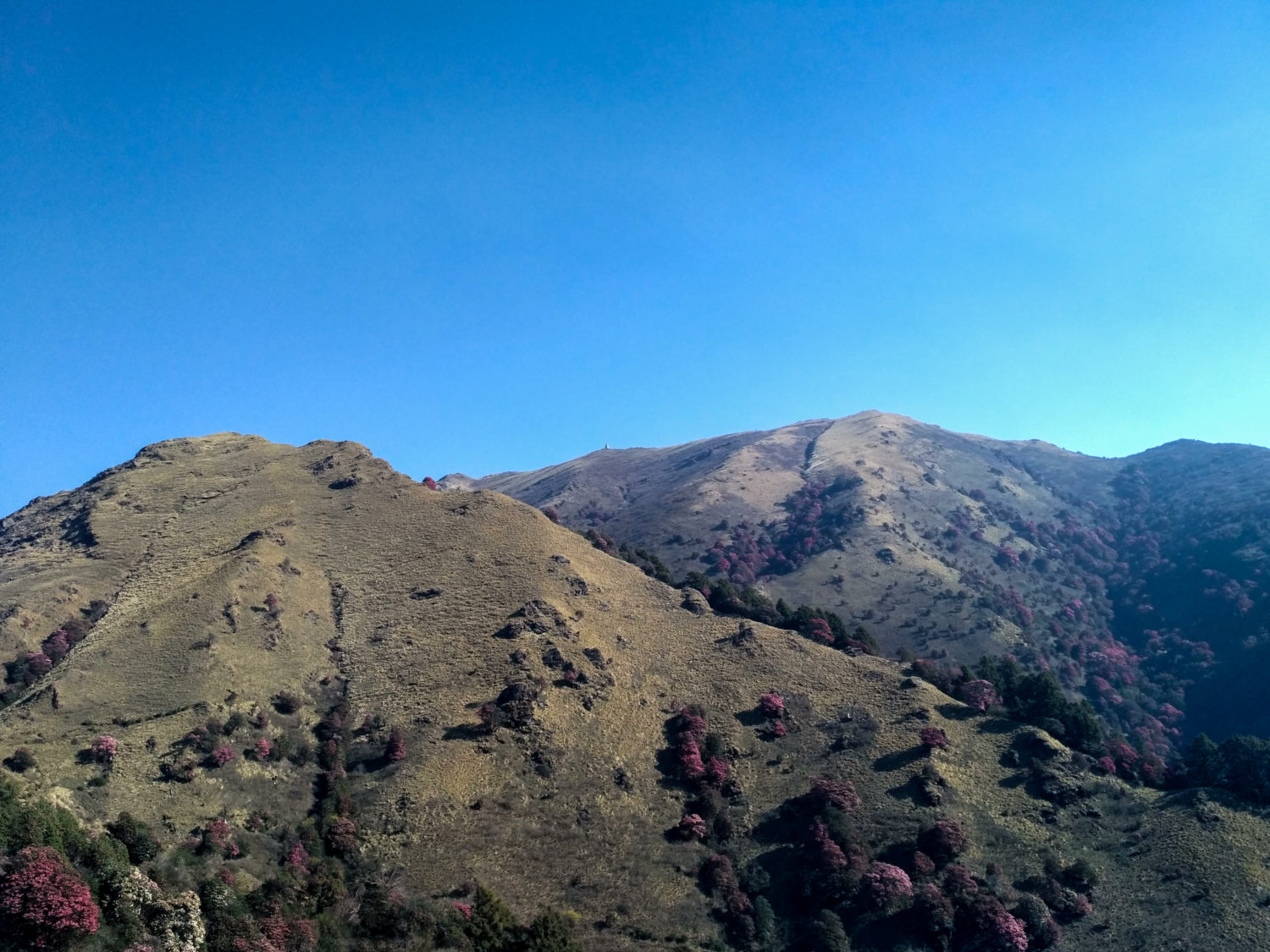
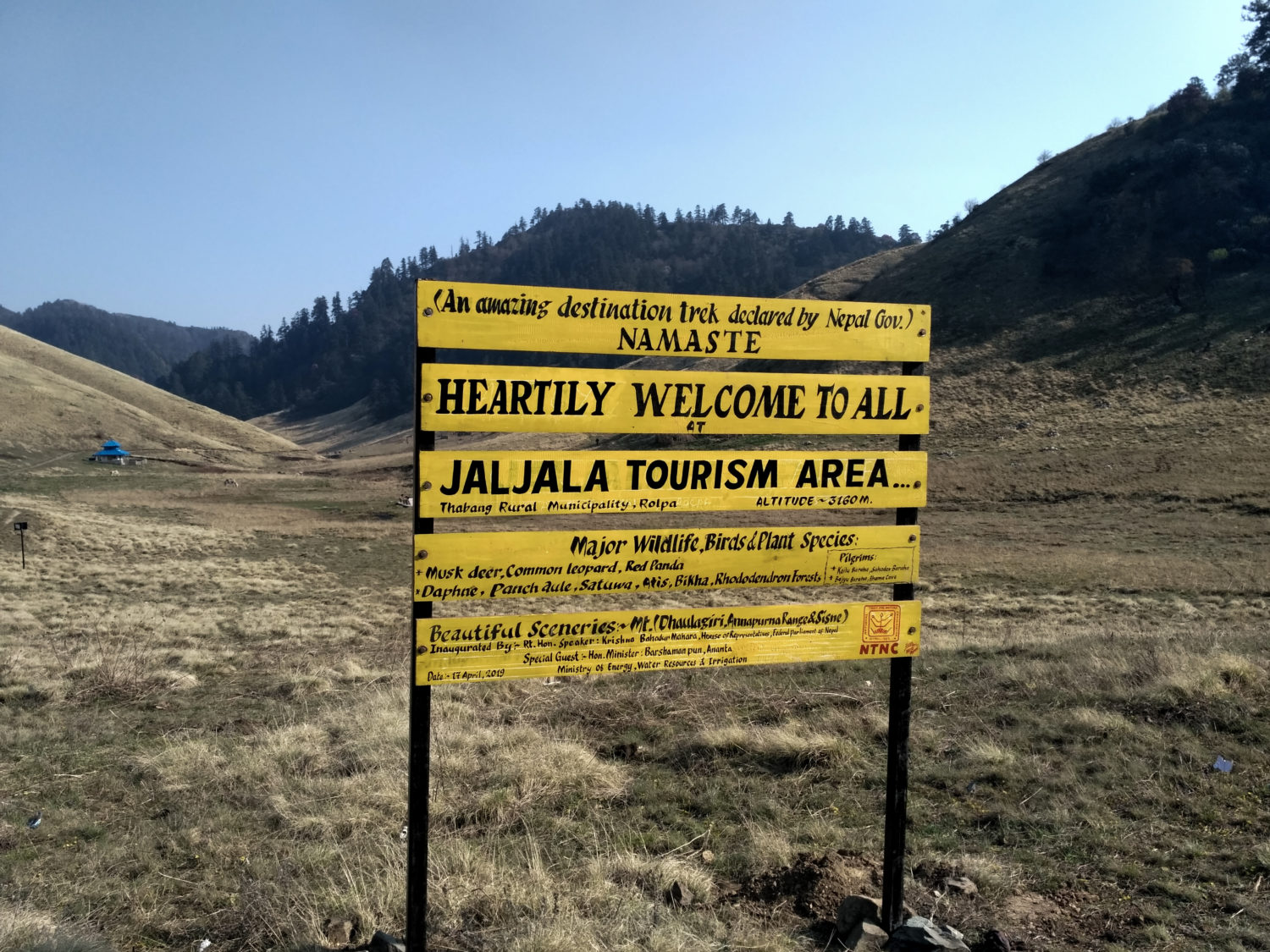
    Scenes from Jaljala, a hill in Rolpa that is 3,500 m high. For the Maoists, this hill was a symbol of the revolution and it featured prominently in war literature, music and poetry.
    Jaljala is now being promoted heavily by the provincial government as a tourist destination, for its abundant flora, fauna, and wildlife.


    “All communists, leftists, patriots and democratic forces unite! Let’s struggle together for scientific socialism! Let’s fight against excessive taxation!” This graffiti by CPN cadres is painted on the walls of what used to be the palace of the king of Aathbiskot, Rukum
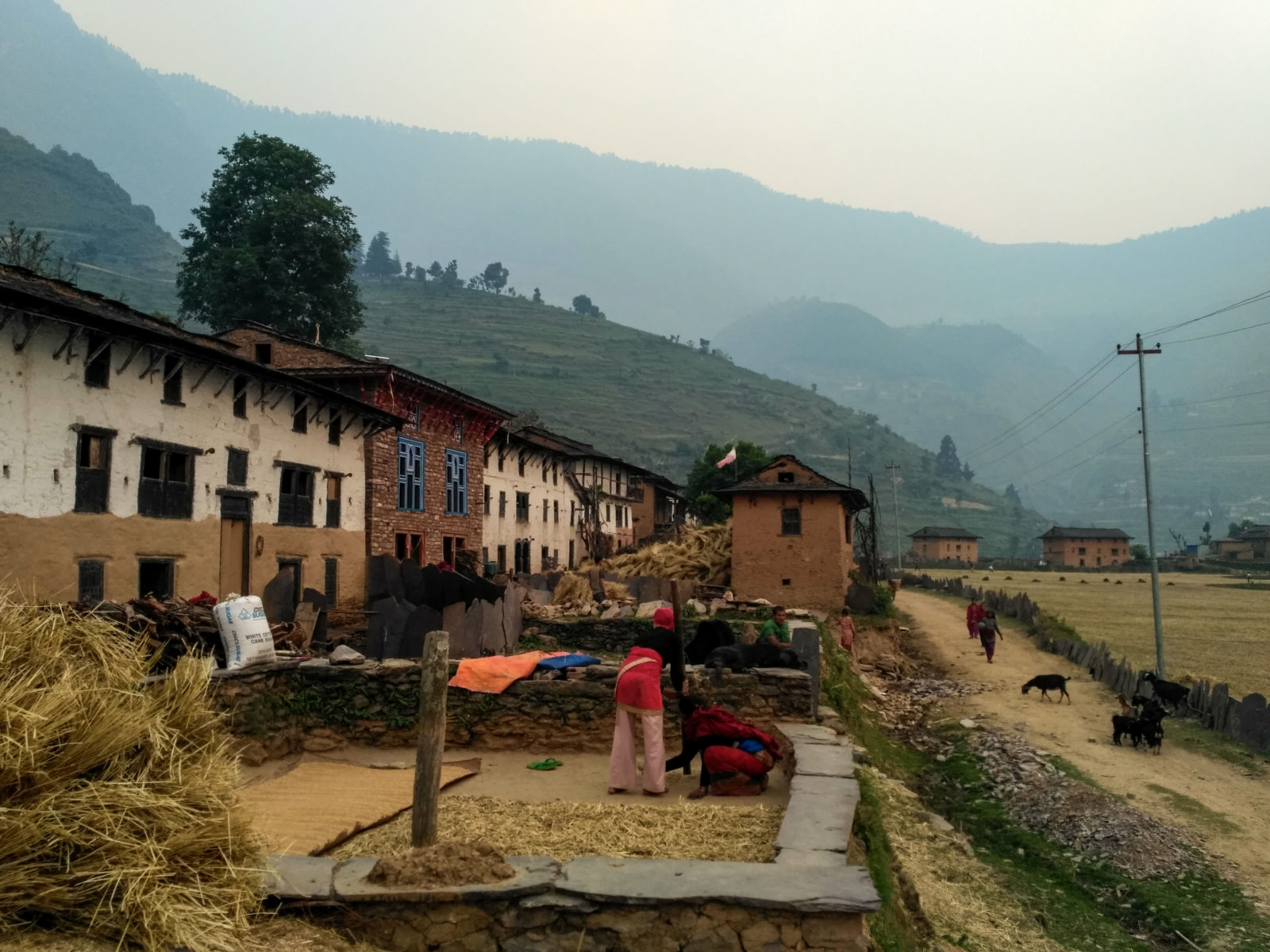
    Scene from Thabang village, Rolpa. Thabang is the cradle of the war, where the Maoists had almost unanimous support. Following the vicissitudes of the peace process and the many divisions of and within the party that resulted, in Thabang Biplab’s CPN now holds sway.
    While sketches of Marx, Engels, Lenin, Stalin, Mao and Prachanda were common in Rolpa and Rukum during the Maoist war, the CPN now projects  Che Guevara as the symbol of the “continued revolution.” This wall painting is from Thabang, Rolpa
    Mural of Marx, Engels, Lenin, Stalin and Mao has been at Thabang gate for over a decade now.
    Police post in Mahat, Rukum. In 1999, the Maoists kidnapped a deputy superintendent of police of this police post, their first high-profile kidnapping.
    Kamal Daha in Rukumkot, Rukum (East). This was the site of the first major clash  between the police and the Maoists in 1996. Over 20 people lost their lives.
    Sarun Bahadur KC, 61, father of Bibek KC, a Maoist combatant killed by the police. He received Rs 10 lakh (Rs 1 million) as  compensation from the government for his son’s death. With the money, he built a temple in Syarpu, Rukum, where is a dhami (shaman) and tends to many locals, providing healing and spiritual guidance.
    Banphikot, Rukum. This formerly independent kingdom was the first place where the Maoists declared a “people’s government”, headed by Purna Bahadur Gharti Magar. He is now Speaker of the House for Province 5.
    Punni BK and his daughter-in-law standing in front of their house, which they bought from the former royal family of Gotamkot, Rukum. A Dalit man purchasing a house that belonged to the king is indicative of the social transformations taking place in Rukum.
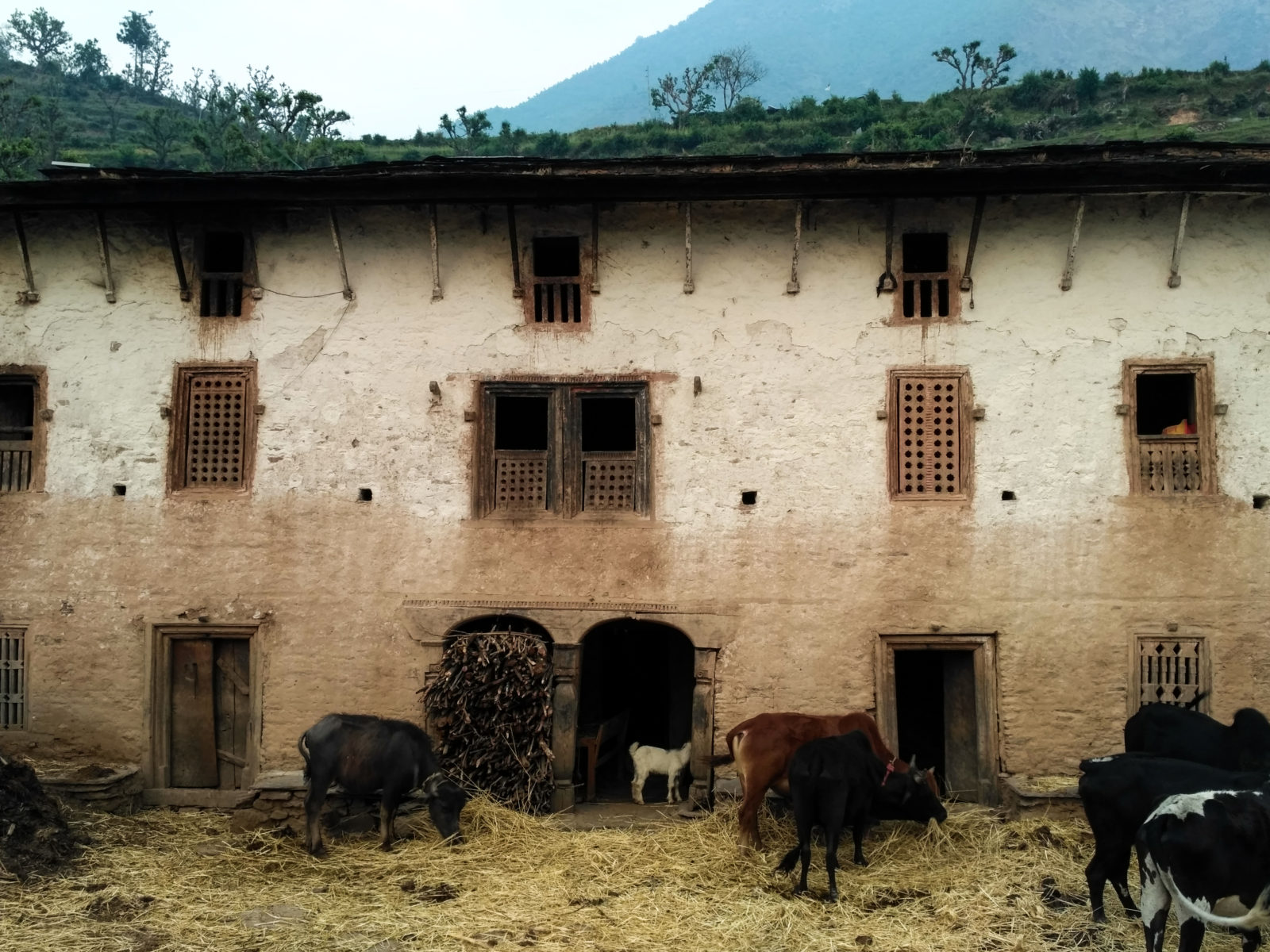
    Houses in Gotamkot that belonged to the rulers of the former kingdom.
    ​​​​
    No longer glorious, these former royal residences are now home to ordinary people going about their daily lives and herding their animals.
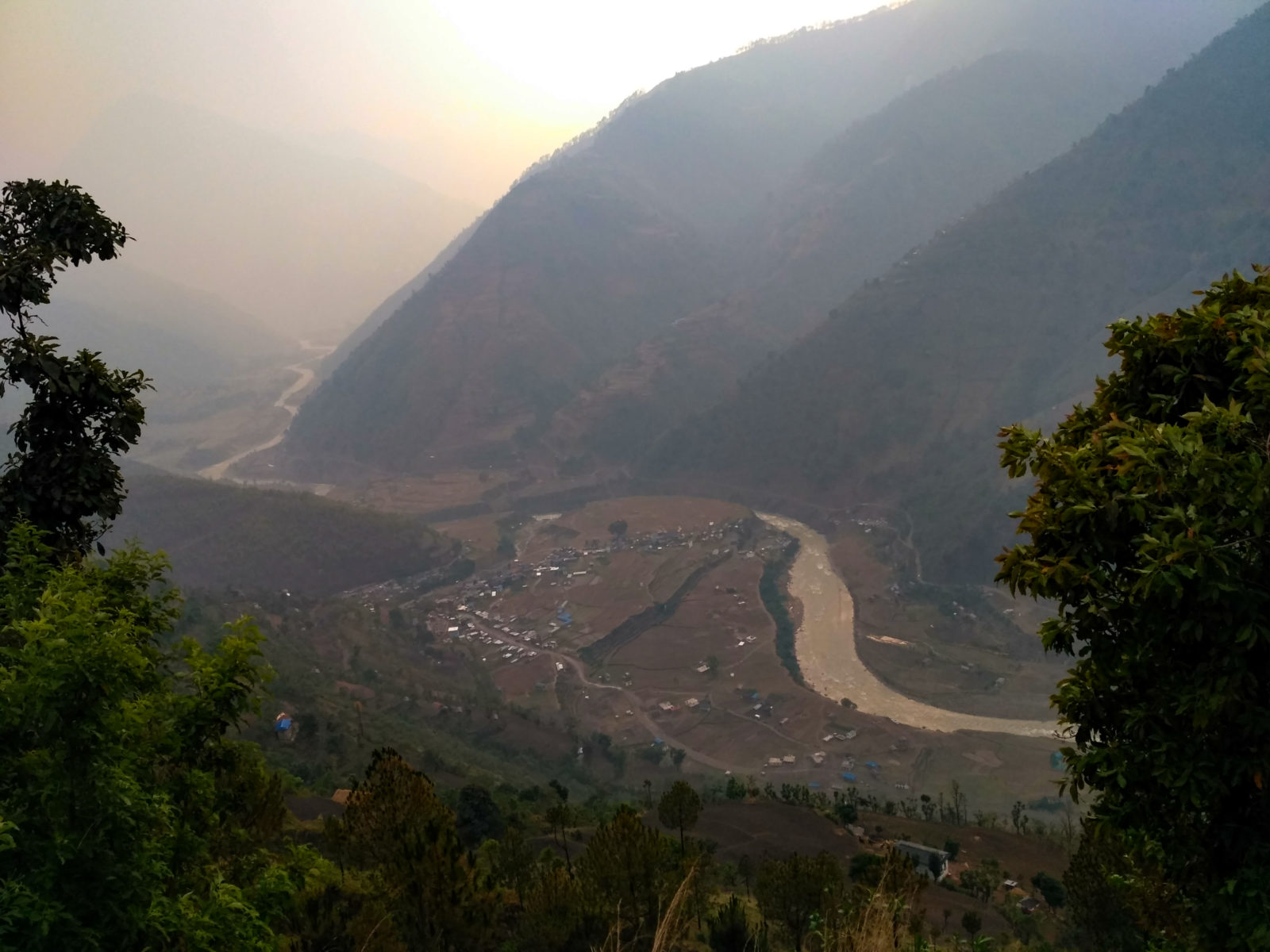
    Rarijiula, Rukum.
    The war formally began with a Maoist attack on these police quarters as well as two others in Rolpa and Sindhuli.

    :::

    We welcome your comments. Please write to us at letters@recordnepal.com


    author bio photo

    Nabin Bibhas  Nabin Bibhas has worked as a journalist for a decade, and closely follows Nepal's politics. He is the author four collections of essays, poetry, and short stories. He tweets @NabinBibhas


    Comments

    Get the best of

    the Record

    Previous Next

    YOU MAY ALSO LIKE

    Books

    4 min read

    Hisila: An insider’s account of the Maoist war and its aftermath

    Meena Poudel - June 10, 2021

    In her autobiography, Hisila Yami provides a complex narrative that blends her personal narratives with contemporary political happenings.

    Longreads

    76 min read

    Inside the People’s Liberation Army: A military perspective

    Sam Cowan - December 27, 2021

    Using extensive documentary footage from the Maoist conflict, General Sam Cowan provides incisive analysis on the military effectiveness of the People’s Liberation Army.

    Photo Essays

    3 min read

    A Journey Through the Maoist Heartland

    Nabin Bibhas - July 10, 2019

    Rolpa and Rukum 13 years after the war

    Features

    9 min read

    How Nepal’s transitional justice mechanisms can be rectified during the third UN Universal Periodic Review

    Ram Kumar Bhandari - January 19, 2021

    In order to deliver justice to victims and their families, the international community must hold all conflict-era rights violators accountable and incorporate victims’ inputs when designing the country’s human rights agenda

    Features

    3 min read

    Foundations of transitional justice mechanisms in the country may be destroyed with reversal of historic Supreme Court verdict

    Dewan Rai - May 8, 2019

    Hearing of the “review petition” will take place on May 16. Victims worry that mass amnesty may be granted to perpetrators.

    Opinions

    7 min read

    An Open Letter to the Chief of Nepal Army

    Record Nepal - January 8, 2020

    Will your leadership summon the courage to end impunity?

    Features

    10 min read

    Once, he destroyed liquor as a social evil. Now, he wants to make wine.

    Nabin Bibhas - February 26, 2021

    Prabes Roka Magar spent 10 years fighting the state but now he’s disillusioned and looking to start a wine factory in Thabang, the heart of the Maoist insurgency.

    The Wire

    11 min read

    Bardiya Tharus wait for justice

    Dewan Rai - June 8, 2018

    Lack of political will stalls investigations

    • About
    • Contributors
    • Jobs
    • Contact

    CONNECT WITH US

    © Copyright the Record | All Rights Reserved | Privacy Policy