

Photo Essays
COVID19
2 MIN READ

As the second Covid-19 wave consumes the country, funeral pyres bear witness to the devastation wrought by the pandemic.

The banks of the Bagmati are lined with burning pyres.

At Pashupati, only one of its two electric crematoriums is currently functioning, burning about 17-18 bodies per day. Many still prefer the traditional wooden pyres to cremate the dead and as more and more people from Covid-19, these fires have been burning day and night.

“We are receiving almost three times the number of bodies before the second wave. Because there isn’t anything else we can do, we are forced to burn them on open land,” said Subash Karki, chief coordinator of the Pashupati crematorium, which is operated by the Pashupati Area Development Trust.

The Trust has set up 16 new platforms on the banks of the Bagmati and 35 in the open space inside the electric crematorium's compound to burn bodies.

It takes around 300 kgs of wood to cremate a body, costing a total sum of Rs 10,000 per cremation, a price that is almost double the cost of an electric cremation.

So far, Nepal has recorded a total of 6,153 Covid deaths since the country saw its first Covid-19 infection last year in March.


Deewash Shrestha Deewash Shrestha is a student of Media Studies and a freelancer He can be reached via email: [email protected]


Explainers
9 min read
By proposing a party general convention in December, Oli has managed to turn the tables on his comrades who want to oust him, but given the NCP’s overall landscape, the current stalemate at the top will likely continue

Features
6 min read
Sisdole residents continue to suffer health and environmental problems from the thousand tonnes of garbage that are being dumped in their locale every day.

COVID19
Features
5 min read
While the affluent can pick and choose, for many who are poor, Covid treatment is a distant reality

Explainers
6 min read
The Record presents a series of infographics on Nepal's labour channels for outgoing and returning migrant labourers

Features
5 min read
The mass-quarantine centres in Nepal are only adding to the suffering of migrant workers returning from India

Features
6 min read
New ICE regulations could force international students to return home

COVID19
News
4 min read
A daily summary of Covid19 related developments that matter
News
3 min read
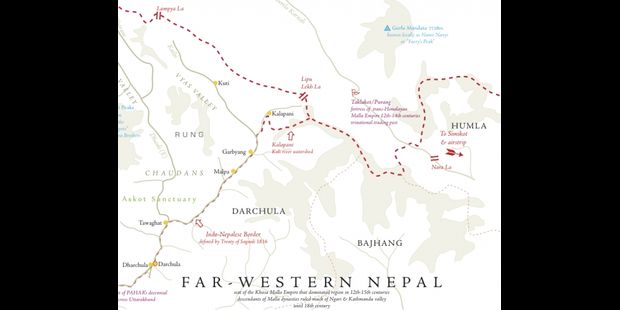
India’s inauguration of the link road to Mansarovar causes alarm in Nepal, but is a press statement enough?