
COVID19
Photo Essays
4 MIN READ

People on the frontline continue to work despite fears and palpable risks
Nepal is in its 25th day of lockdown. The date for ending it has been extended twice. Sixteen people have tested positive for Covid19 so far. Meanwhile, the economy has come to such a jarring halt that the country is reeling from the economic and humanitarian consequences of the lockdown more than from the direct impact of the coronavirus. Many daily wage workers have found themselves stripped of the opportunity to work and, in the absence of transportation services to carry them, have been forced to walk back home.
In the midst of all this, while the majority are locked up inside their homes, a group of frontline workers have nevertheless been making daily routes out to work. Hospital staff and medical personnel, members of the Nepal Police and the Armed Police Forces, vegetable and fruit sellers, department store clerks, pharmacy clerks, cremators, waste collectors, and cornershop owners together comprise an array of people who are helping us through this time by fulfilling our most essential needs. In their words, it is a time full of fear and palpable risks. And yet, they carry on, some knowing it is a duty they must fulfill, others risking their lives to continue making some semblance of a living.
Either way, they are the unassuming heroes of these times.
Click for picture enlargement*
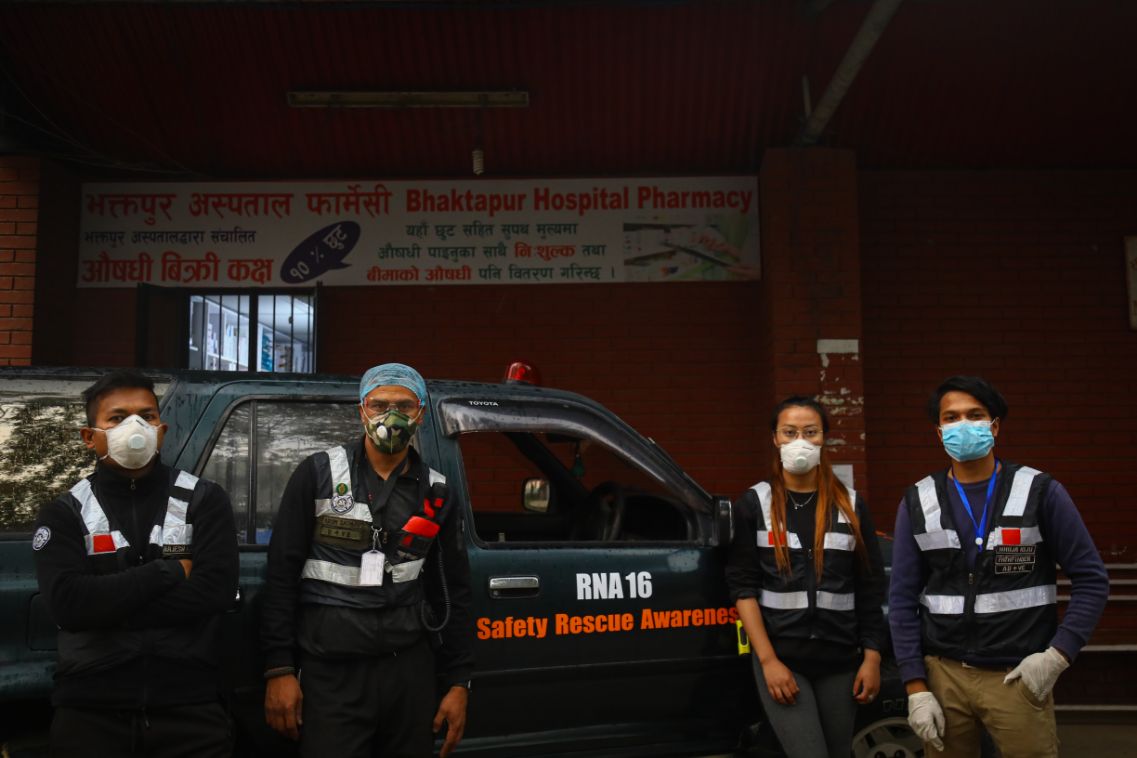
Arun Sainju and the rescue team at Bhaktapur Hospital as they get ready to work in the midst of the lockdown. The team was formed specifically to pick up people suspected of coronavirus infections and transport them to the hospital. They have well-equipped vehicles to transport suspected patients. “We will risk our lives, but won’t let the virus spread in Bhaktapur,” says Sainju.
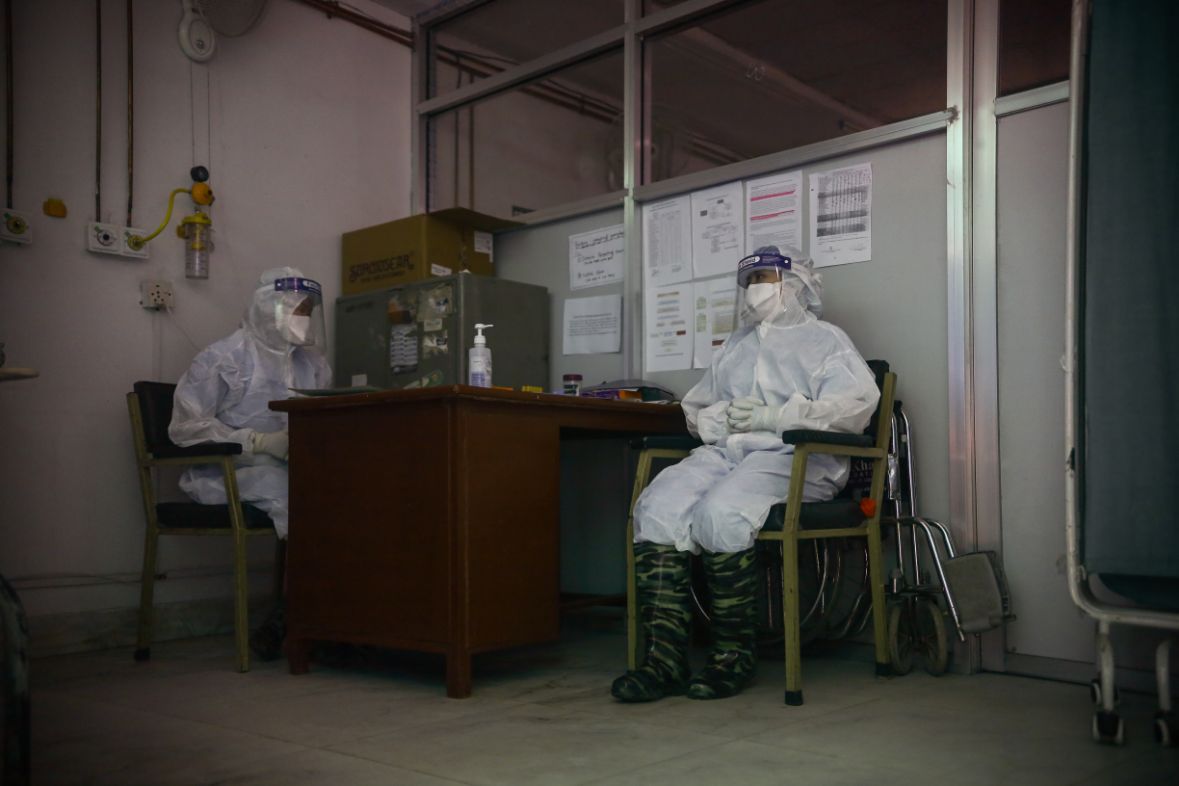
Medical personnel dressed in PPE on duty at Bir Hospital as the city braces for a Covid19 outbreak. Bir Hospital, located in the centre of the capital, has established a ward specifically for Covid19 patients.
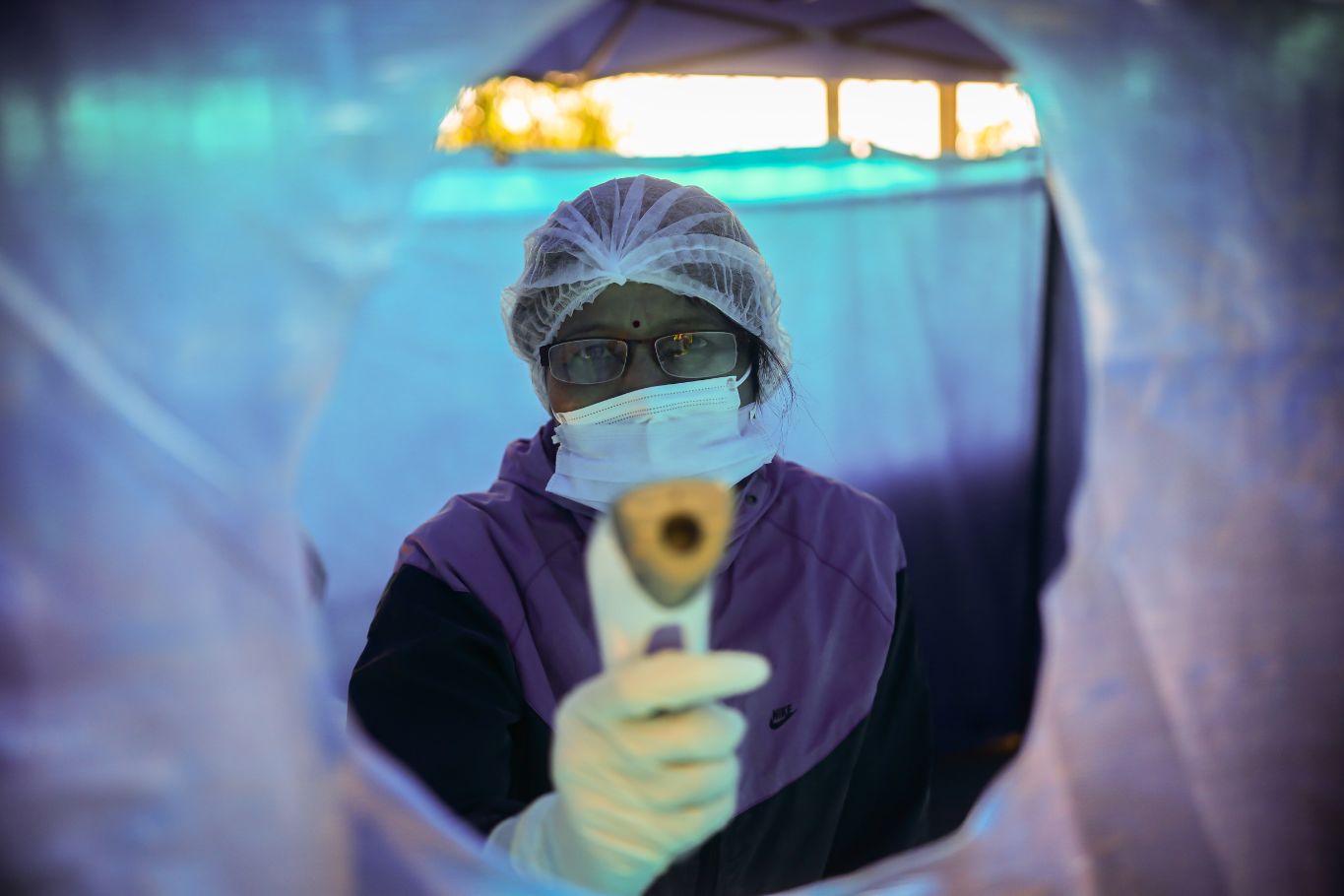
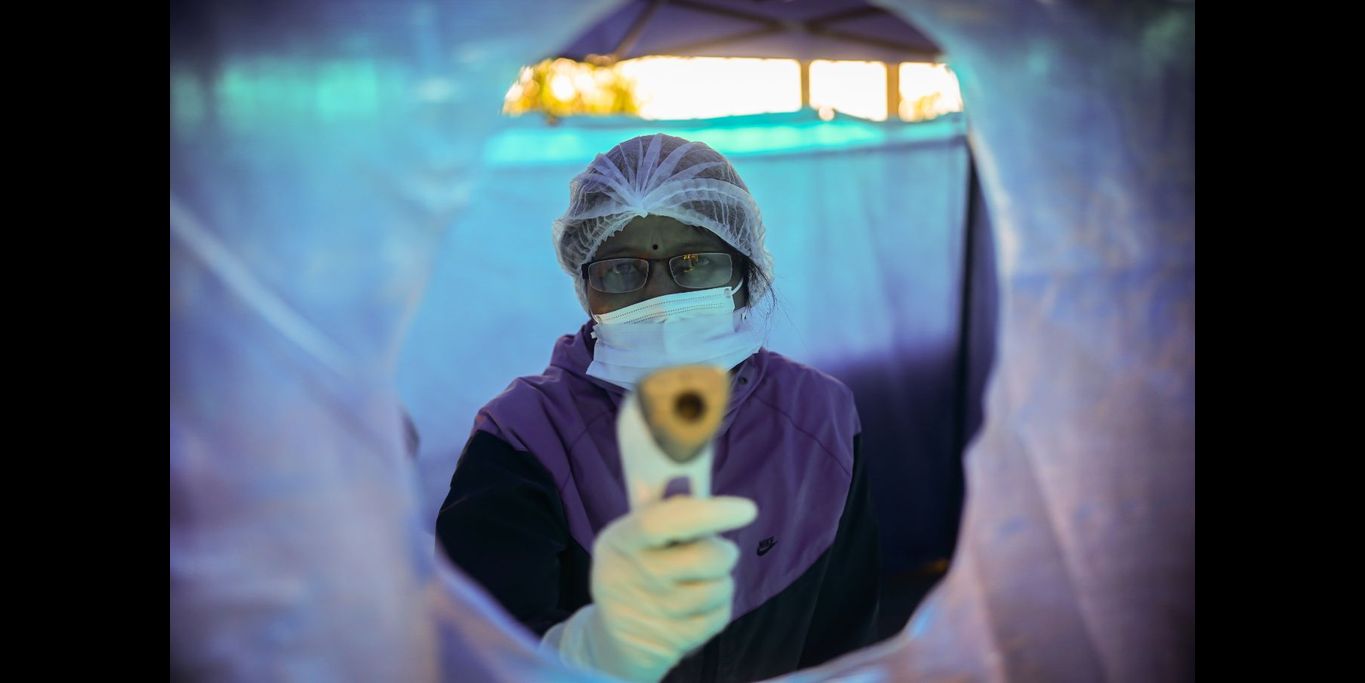
Also at Bir Hospital, medical staff in PPE have been using the infrared thermometer to check the body temperature of each and every person entering the hospital premises.
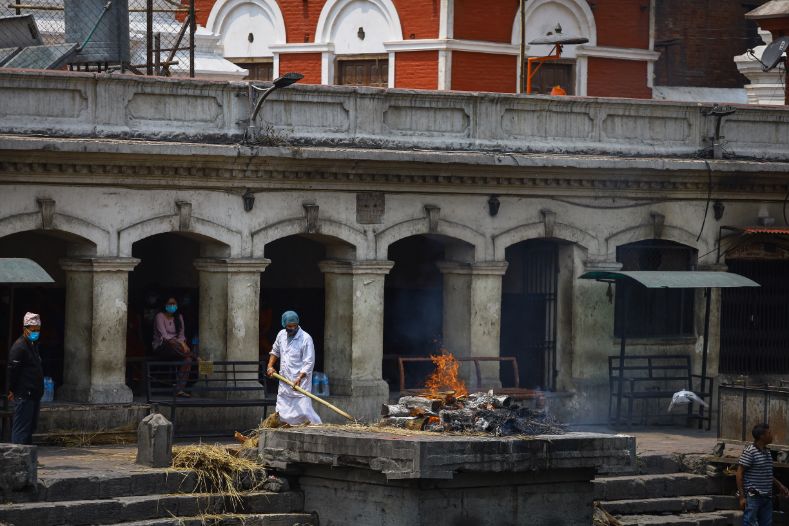
While the number of dead bodies arriving at Pashupati for cremations has reduced over the course of the lockdown, cremators have been donning some basic protective items like gloves and masks while working.
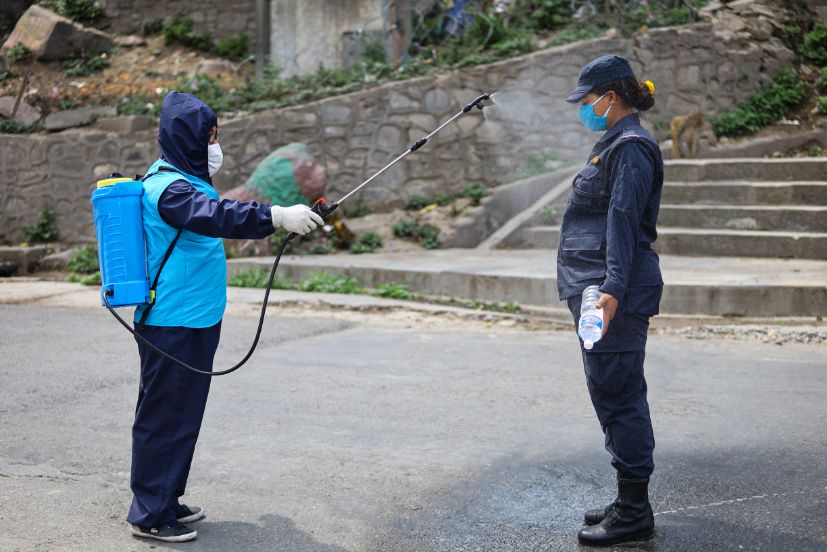
A volunteer at Kathmandu metropolis’ ward number 15 sprays disinfectant on a policewoman near Swayambhunath. Police personnel have been working round the clock, all through the lockdown, to contain the spread of coronavirus.
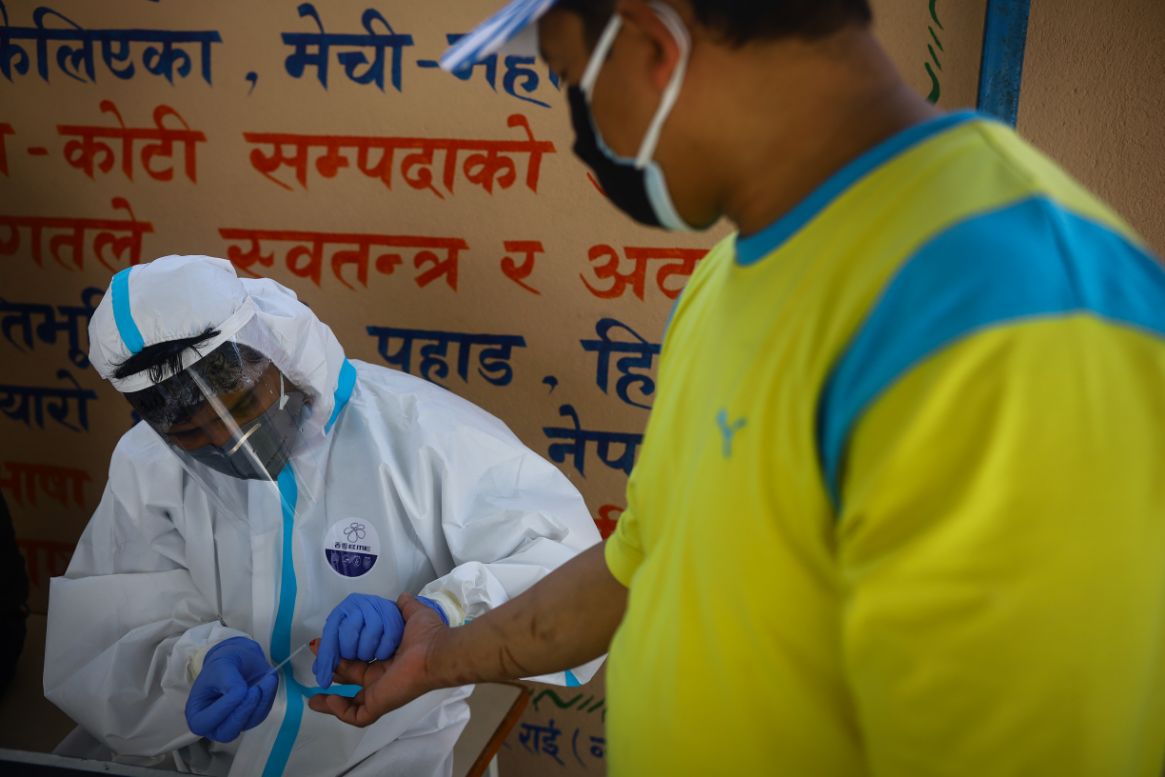
Upendra Aryal, a medical lab technician with 12 years of experience, takes a blood sample in Bungmati from a person who recently returned from abroad. According to him, the work is risky. “Because we use PPE, we sweat a lot and have difficulty breathing,” Aryal says.
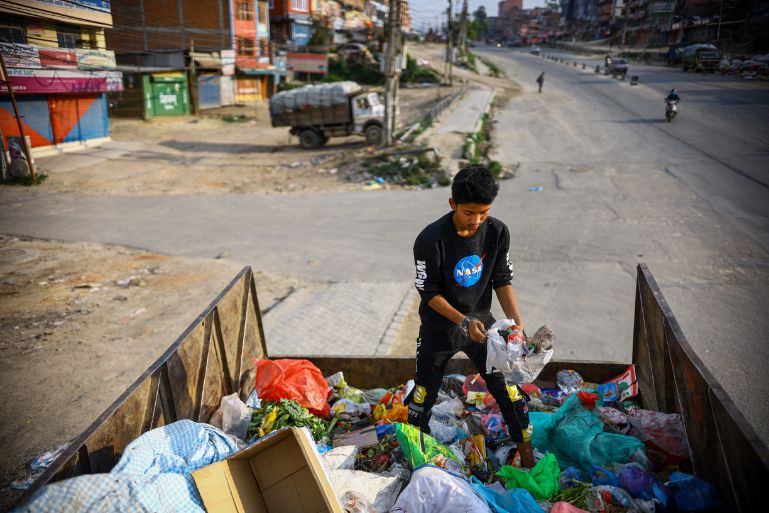
Another set of frontline workers helping cities function during the lockdown are waste collectors. Here, Sunil Bhujel manages waste inside a waste delivery truck parked at Kalanki, Kathmandu. He has been working as a waste collector in the Suichatar area since last year and makes an monthly income of Rs 7,500.
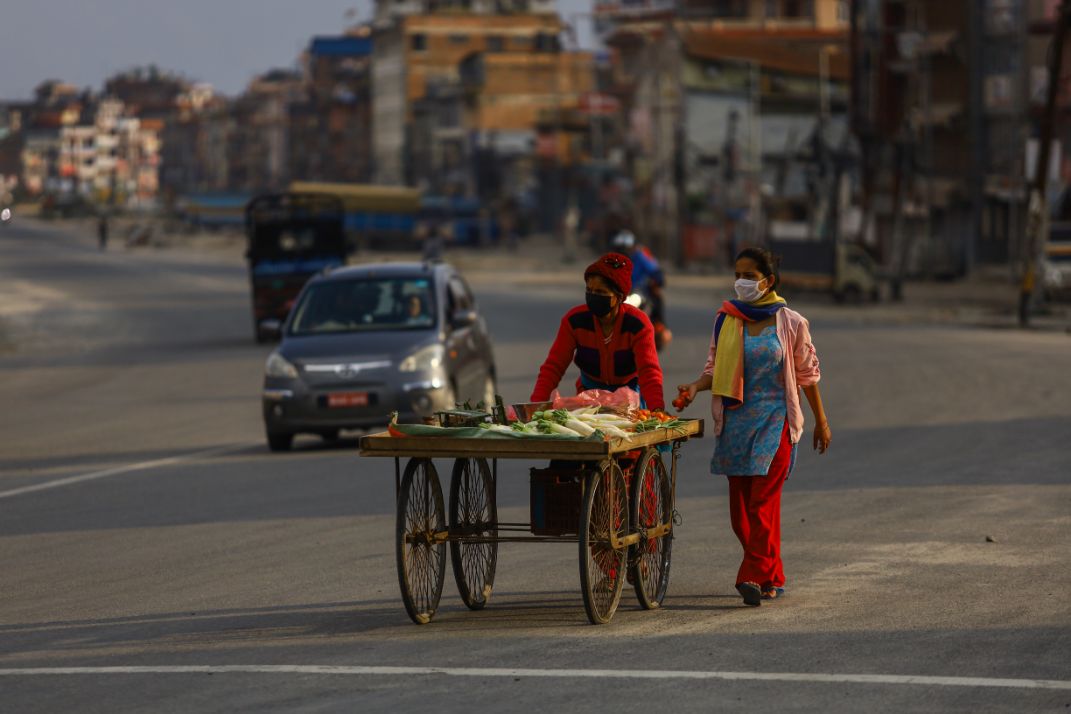
Santoshi Khatri and her daughter sell vegetables during the nationwide lockdown at Machhapokhari, Kathmandu, making a daily earning of Rs 800. She said, "We stayed at home for 12 days but after that we ran out of food and money."
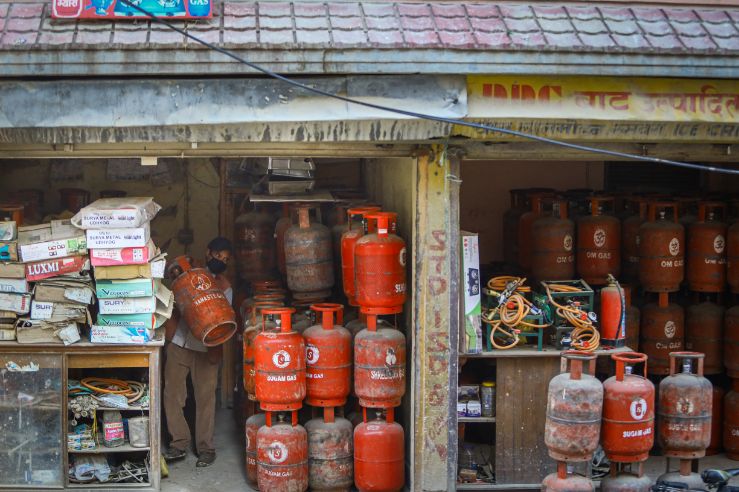
Cooking gas scarcity started even before 24 March, when rumours were circulating about a potential lockdown. Here, Nawaraj Subedi organises his stock of gas cylinders at his shop in Manamaiju, Kathmandu. He says that in the last week, the shortage has eased and he has been able to supply half-filled gas cylinders to his customers more easily. “Even though I am afraid of the coronavirus, I feel that I have a duty to fulfill,” Subedi shares.
::::::::


Features
9 min read
The government’s frantic plan to ensure that no one poops in public anymore uses possibly unconstitutional means that victimise the poorest.

News
3 min read
India’s inauguration of the link road to Mansarovar causes alarm in Nepal, but is a press statement enough?
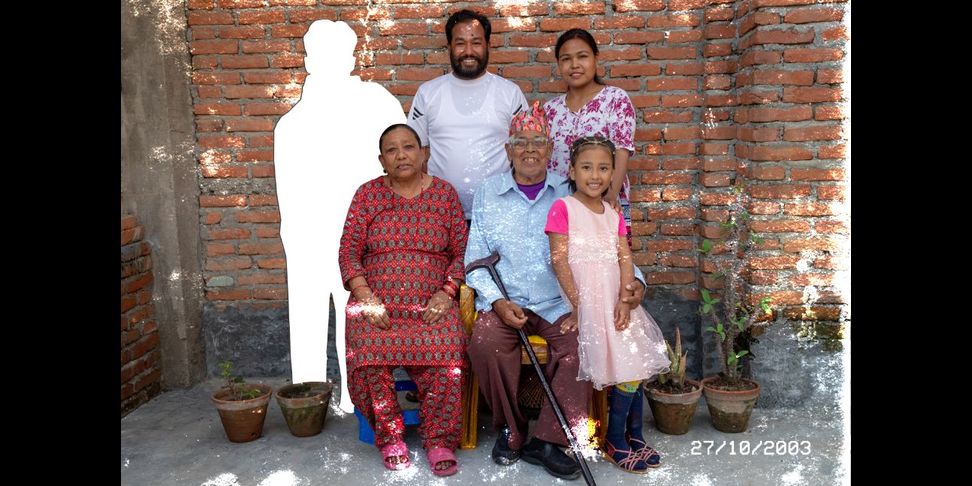
Photo Essays
4 min read
The coronavirus pandemic brought a faint hope for some that their family members who disappeared during the People’s War might finally return

COVID19
News
4 min read
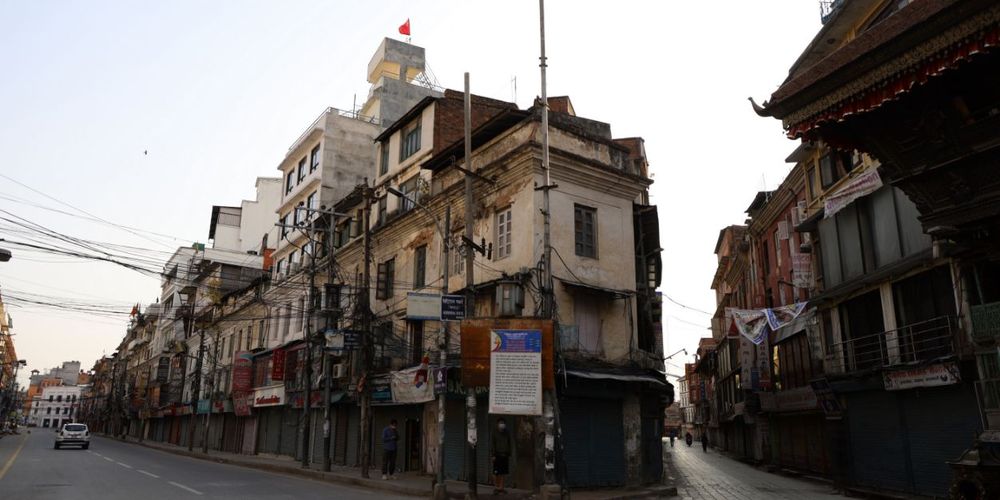
A daily summary of all Covid19 related developments that matter
COVID19
News
3 min read
A daily summary of Covid19 related developments that matter

COVID19
Features
3 min read
The coronavirus numbers have gone down only because testing has decreased, but the government would have you believe otherwise

Features
3 min read
The official height of Everest was determined through the use of high-tech instruments and with Nepali surveyors making the dangerous climb to the top of the mountain

COVID19
News
2 min read
Kathmandu Valley sees record high coronavirus cases with the easing of prohibitory orders