

COVID19
News
3 MIN READ

The decision was made by authorities since the coronavirus has continued to rise at a steady pace for the past week

Kathmandu Valley recorded 388 new cases of Covid-19 on Monday, giving continuity to a steady number of daily new cases of above 300 throughout the week. When the valley’s local authorities first imposed prohibitory orders on August 19, Covid cases were increasing at the daily rate of 159. Every day since, the numbers have continued to rise. By the end of the first week, the valley had recorded 301 new cases. This made the local authorities decide to extend the prohibitory order by another week. Over the second week, 350 new daily cases were being recorded on an average.
As a desperate measure to contain the virus, Kathmandu Valley’s chief district officers (CDOs) decided to extend the prohibitory orders for a second time. The previous prohibition would have expired on midnight on Wednesday, but will not go on till September 9.
The CDOs also decided to make it mandatory for all people entering the valley to take a mandatory real time polymerase chain reaction (RT-PCR) test. Ever since coronavirus cases began to spike in the valley, the government has granted local authorities to take stringent measures to contain its spread. In the past week, the virus has infected people ranging from high profile politicians to bureaucrats, from frontliners to inmates, showing the rate at which it is spreading. Outpatient department (OPD) services in some hospitals, including Bir Hospital, have been closed after scores of doctors working there were diagnosed with Covid-19.
Authorities are worried that the situation may worsen in the densely populated capital, especially given how ill-equipped health institutions are already filled with Covid patients. They are also concerned by the attitude of the city’s residents, many of whom have continued to go about their daily lives without following safety protocols. Keeping this in consideration, a joint meeting of the mayors of Kathmandu Valley recommended that the District Administration Offices continue restricting the movement of people for one more week. Based on their recommendations, the CDOs extended the restrictions.
Unlike the previous prohibitory orders, authorities have softened the restrictions and agreed to allow banks and financial institutions to resume services with limited staff. Hotels, restaurants, schools, and colleges, however, will continue to remain shut.
Under the new rule, all non-essential government services will continue to be suspended, but locals will be allowed to make necessary travel till 11 am. Private vehicles will also be allowed to ply within the valley, but only in case of emergencies. Likewise, schools are requested to run online classes while hotels and restaurants have been instructed to operate takeaway services while adhering to strict safety protocols, according to the instructions issued by the valley’s DAOs.
The Ministry of Health and Population has requested the DAOs to issue prohibitory orders in districts where Covid cases exceed 500 and lockdowns in those that exceed 200. According to the ministry, Kathmandu, Parsa, Rautahat, and Sarlahi districts have more than 1,000 active cases whereas Morang, Sunsari, Dhanusha, Bara, Mahottari, Lalitpur and Chitwan districts have between 500-1000 cases.
Even as stricter measures have been taken to prevent human movement and crowds, the number of new cases as well as the number of deaths have risen steadily. On Wednesday alone, 1,120 new cases were recorded across the country, taking the total number of Covid infections to 41,1649. The death toll, meanwhile, has reached 251, with 12 Covid related deaths on Wednesday.
::::::::

The Record We are an independent digital publication based in Kathmandu, Nepal. Our stories examine politics, the economy, society, and culture. We look into events both current and past, offering depth, analysis, and perspective. Explore our features, explainers, long reads, multimedia stories, and podcasts. There’s something here for everyone.


Features
5 min read
The main opposition party is more invested in sorting out its internal problems than in keeping the NCP in check
News
3 min read
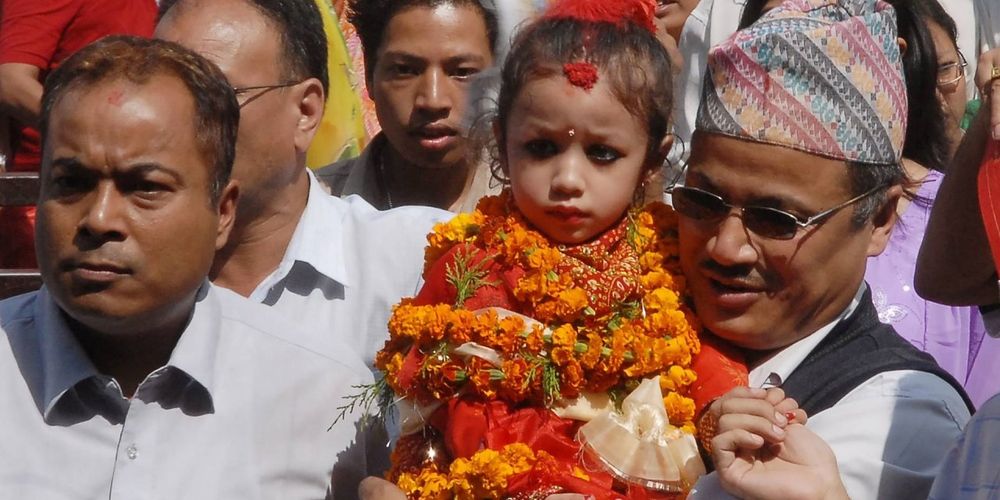
The tradition has drawn criticism from child-rights activists who say the Kumaris are denied a childhood.

COVID19
News
3 min read
A daily summary of Covid19-related developments that matter

Photo Essays
5 min read
Despite the Covid pandemic, last month, hundreds of pilgrims made the arduous journey through the treacherous mountainous terrain to Budinanda

Features
9 min read
Nepali women are increasingly turning to podcasts to carve out a space to look at socio-political issues through an intersectional feminist lens.

Features
5 min read
Wild Yak Records is attempting to bring the nostalgia and analog quality of vinyl to a new generation of music aficionados.

Opinions
4 min read
To help prevent incidences of rape, Nepali society and law must tackle cultural norms that apportion entitlement and agency differently to men and women

COVID19
News
5 min read
A daily summary of Covid19 related developments that matter