

Features
4 MIN READ

Prisons need more attention during pandemics, but tend to fall behind in government’s priorities
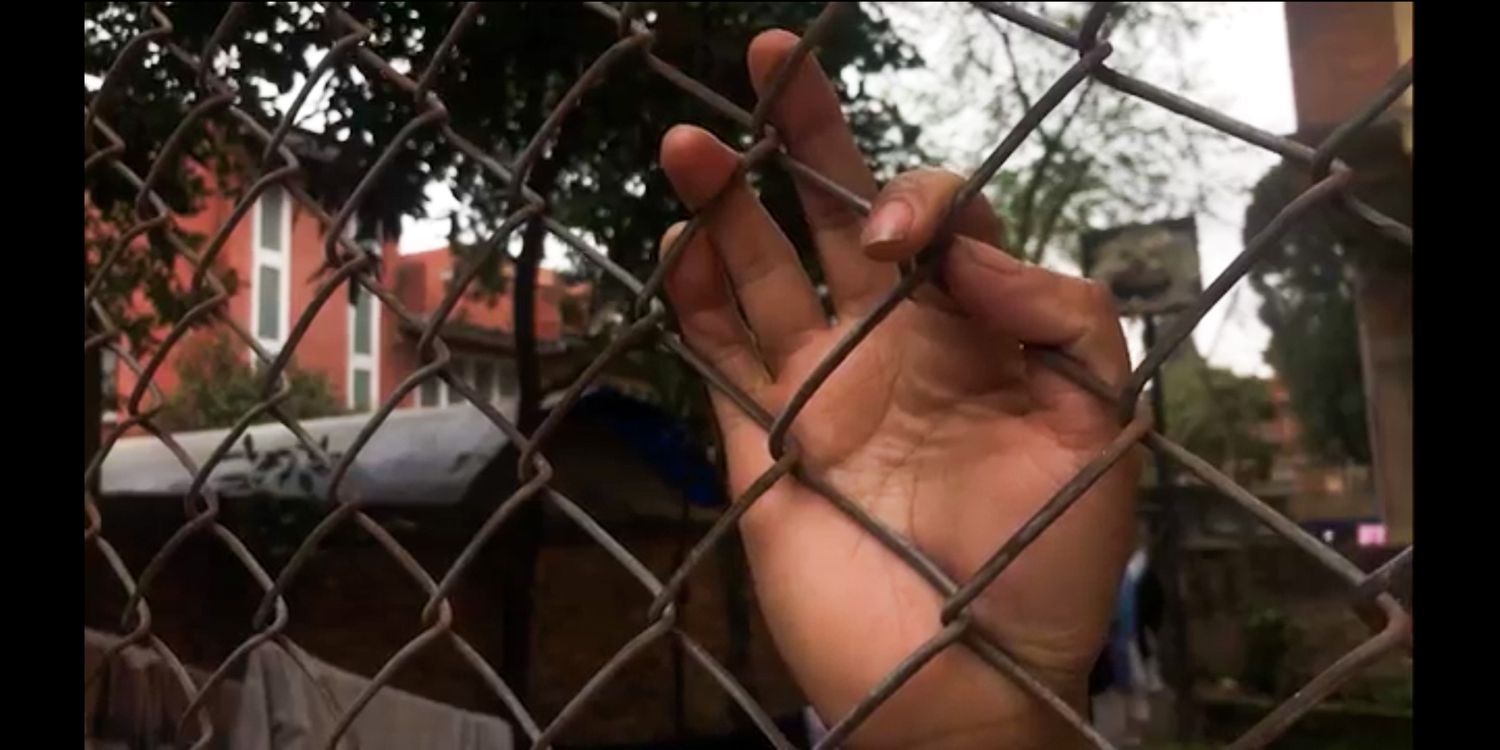
Goma Budhathoki was just a few months old when her father, Ramesh, was arrested from their home in Tulsipur, Dang, last year, for allegedly peddling drugs. In November, the district court in Dang sent Ramesh into judicial custody, where he was charged with drug peddling and substance abuse. The police describe him as a substance abuser who has been arrested multiple times on allegations of addiction and minor theft in the last few years.
When Goma turned one on May 10, she was able to spend her birthday with her father, an unexpected birthday gift. In April, the district prison in Dang released Ramesh, along with a dozen or so prisoners, without further pursuing their cases, thanks to the coronavirus pandemic.
“It's a big reason to smile for Goma and the entire family, as we were worried about him because of Covid19,” says a family member.
Ramesh, who is in his late 30s, is among hundreds of potential convicts to be released from prison, along with 443 other convicted prisoners, following a Supreme Court ruling. On March 20, after consultation with the attorney general’s office, the apex court ordered the government to release prisoners susceptible to the virus, including children, elderly citizens, and those doing time for lesser-degree offenses, besides taking necessary precautions.
“Of those released, 215 were children doing time in the rehabilitation and juvenile centres, which are also wings within our prisons,” Pradipraj Kanel, the director general of the Department of Prison Management (DoPM), told the Record.
Meanwhile, police stations have also started clearing their cells. In a first since its formation after the political changes of the 1950s, the Kathmandu Metropolitan Police Range recently announced that its cells are without inmates.
Nepal’s prisons, as elsewhere in South Asia, consist of squalid quarters lacking basic facilities such as water and electricity.
“South Asia’s prisons are a blight on the region’s conscience. They are notoriously overcrowded, violent, unsanitary, lack healthcare, and place inmates at high risk of infection,” said Biraj Patnaik, South Asia director for Amnesty International (AI), through a statement on March 26. He added that efforts should be made to reduce overcrowding, with a special focus on removing older detainees, those who may qualify for early parole, those who no longer pose a threat to public safety, and those awaiting trial. The ones who aren’t released, the statement reads, “must be given the same standards of medical facilities if they require specialised care.”
AI has lauded Nepal and some other neighbouring countries for the steps they have taken to release prisoners. However, there are many, including government officials, who aren’t convinced that releasing a few hundred prisoners will make a big difference in a prison system that already reports several deaths each year owing to sordid living conditions, unhygienic food, and lack of access to basic healthcare. Prisons have repeatedly been trigger points for the spread of disease and for epidemic outbreaks.
There are around 25,000 prisoners in 72 prisons across the country, according to the DoPM. Of them, 53 prisons have separate women's cells. Most prisons are housed in dilapidated buildings, many built during the Panchayat period, and do not have basic facilities such as running water, clean toilets, or adequate space for movement and exercise. On average, prisons in Nepal hold three times more inmates than their capacity, according to the Ministry of Home Affairs. Most in Provinces 5, 6, and 7 accommodate four times more. Each year, this has led to unabated outbreaks of cholera, diarrhoea, and dengue.
“These are not new problems, as most prisons were set up in the Rana era and during the Panchayat,” says Kanel.
With the gradual increase in the number of Covid19 cases, authorities are discussing the possibility of releasing more prisoners. However, inmates from foreign countries have not been granted amnesty due to legal hurdles, according to Kanel. Earlier, several newspapers, including Himal Khabarpatrika, had even reported about the possible release of Charles Sobhraj, a french citizen dubbed the ‘Bikini Killer’.
Efforts are also being made to prevent the spread of the virus, with provisions of mandatory health screening for new prisoners, regulated movement of prisoners, and other measures prescribed by the Ministry of Health and Population.
“But the problem is that some prisons are so congested that they do not even have space for quarantining,” says Kanel.
In recent years, there has been a massive push from various quarters for prison reforms as well as reform in the judicial system. For example, a proposed bill on prison management envisions different cells for members of the LGBTQI community, elderly citizens, and inmates suffering from communicable diseases, along with a health post or a hospital for prisons hosting over 500 inmates. According to the bill, inmates can even enjoy marital rights and bear children. But the budget still remains a huge constraint, as prisons feature at the bottom of the government’s priority list every year.
The DoPM and other concerned stakeholders have proposed a budget of NPR 580 million for prison reform in the upcoming fiscal year. Some of the proposed programmes include increasing basic facilities, purchasing more land, and constructing additional cells.
But Kanel expresses skepticism over the plan’s feasibility. “We doubt the government will allocate 580 million rupees to prisons while all other sectors are in need of bigger budgets due to the pandemic,” he says.
Names of the prisoner and his daughter have been changed to protect their identity.
::::::::

The Record We are an independent digital publication based in Kathmandu, Nepal. Our stories examine politics, the economy, society, and culture. We look into events both current and past, offering depth, analysis, and perspective. Explore our features, explainers, long reads, multimedia stories, and podcasts. There’s something here for everyone.


Explainers
Perspectives
7 min read
The president’s power to pardon criminals needs reform as it has been misused numerous times by governments for political ends.
Features
9 min read
In order to deliver justice to victims and their families, the international community must hold all conflict-era rights violators accountable and incorporate victims’ inputs when designing the country’s human rights agenda

COVID19
News
4 min read
A daily summary of all Covid19 related developments that matter

Features
4 min read
The Record is back with its mini-series of artists and the projects they worked on during the lockdown and the pandemic.

Features
11 min read
The journey of a Nepali migrant who crossed 15 borders to reach the US

COVID19
News
3 min read
The institutionalized elderly in Kathmandu have found their diets significantly altered by gas shortage
Features
COVID19
3 min read
Of late, the government has become far too lax about Covid-19 protocols

COVID19
Features
6 min read
Even though the government has mandated private health institutions to open their services to Covid-19 patients, many are denying them treatment