

Features
2 MIN READ

The government is proposing sweeping legislative changes that curtail constitutional rights and consolidate power. Here's a refresher on what is at stake.

The administration of Prime Minister KP Oli administration has, since 2018, drafted several controversial laws that civil society observers and human rights professionals argue are unconstitutional. There are numerous specific criticisms of these laws and various Bills that have been tabled, but broadly the concerns are as follows: they curtail constitutionally guaranteed press freedom and freedom of expression, including the right to criticize the government; they obstruct human rights and narrow civil liberties; they are intended to consolidate the chief executive’s power and weaken the federalism project; they impinge on the autonomy of constitutional bodies like the National Human Rights Commission (NHRC) and the Public Service Commission (PSC).
After widespread criticism from civil society leaders and media, and citizen protests, the government withdrew the Guthi Bill, but other controversial bills are pending in parliament, including the Public Service Commission Bill, the Bill on National Priority Projects, the Peace and Security Bill, the NHRC Bill, the Media Council Bill and National Security Bill. The Record will bring you monthly updates on the status of these Bills.
The PSC Bill curtails the commission’s financial and bureaucratic autonomy; the commission has explained its reservations to parliament.
The Peace and Security Bill has been criticized by state governments, including the chief ministers of State 2 and 4, for potentially giving powers to chief district officers in a manner that undermines the constitutional powers of provincial governments.
The Bill on National Priority Projects proposes that mega projects worth NRs 25 billion fall under the direct control of the Prime Minister’s Office, contravening public procurement law that says such projects must be awarded through a tender process.
The proposed Security Council Bill grants full authority to the prime minister to mobilize the army during a state of emergency, instead of a seven-member National Security Council, if the National Security Council cannot agree on its necessity.
The Bill lodged to amend the 2012 NHRC Act was formulated without consultations even with NHRC, and proposes closing 10 of the body’s regional and sub-regional offices. NHRC officials are concerned about the government’s motivations and say that those offices should come under the jurisdiction of the provincial governments, in the context of Nepal’s federal restructuring. The Bill also proposes giving discretionary powers to the attorney general, the prime minister’s chief legal advisor, over whether to prosecute the commission suspects of having committed human rights violations. This would clearly undermine the NHRC’s authority.
Finally, a bill revising the existing Press Council Act proposes a fine of NRs 1 million if any media house, publisher, editor or journalist is found to have published news “tarnishing the image” of any individual. The Federation of Nepalese Journalists and other media organizations oppose the bill, saying that the scope of the provision is too broad and that it could be misused to force media to self-censor.
:::
We welcome your comments. Please write to us at [email protected]

The Record We are an independent digital publication based in Kathmandu, Nepal. Our stories examine politics, the economy, society, and culture. We look into events both current and past, offering depth, analysis, and perspective. Explore our features, explainers, long reads, multimedia stories, and podcasts. There’s something here for everyone.


Perspectives
3 min read
Less than 0.2 percent of our elected local reps are Tharu women. Read the first in an occasional series on women and political participation.
Features
5 min read
From the CJ on down, Nepal’s top-rung judges have amassed a track record of questionable verdicts
COVID19
Opinions
9 min read
Unless Nepal comprehensively overhauls its disaster response mechanisms, we’ll continue to see the nation reeling with every crisis

Explainers
3 min read
Information Minister Gokul Baskota resigned on Thursday after he was caught demanding bribe in a leaked audio. Here's what you need to know.
Explainers
9 min read
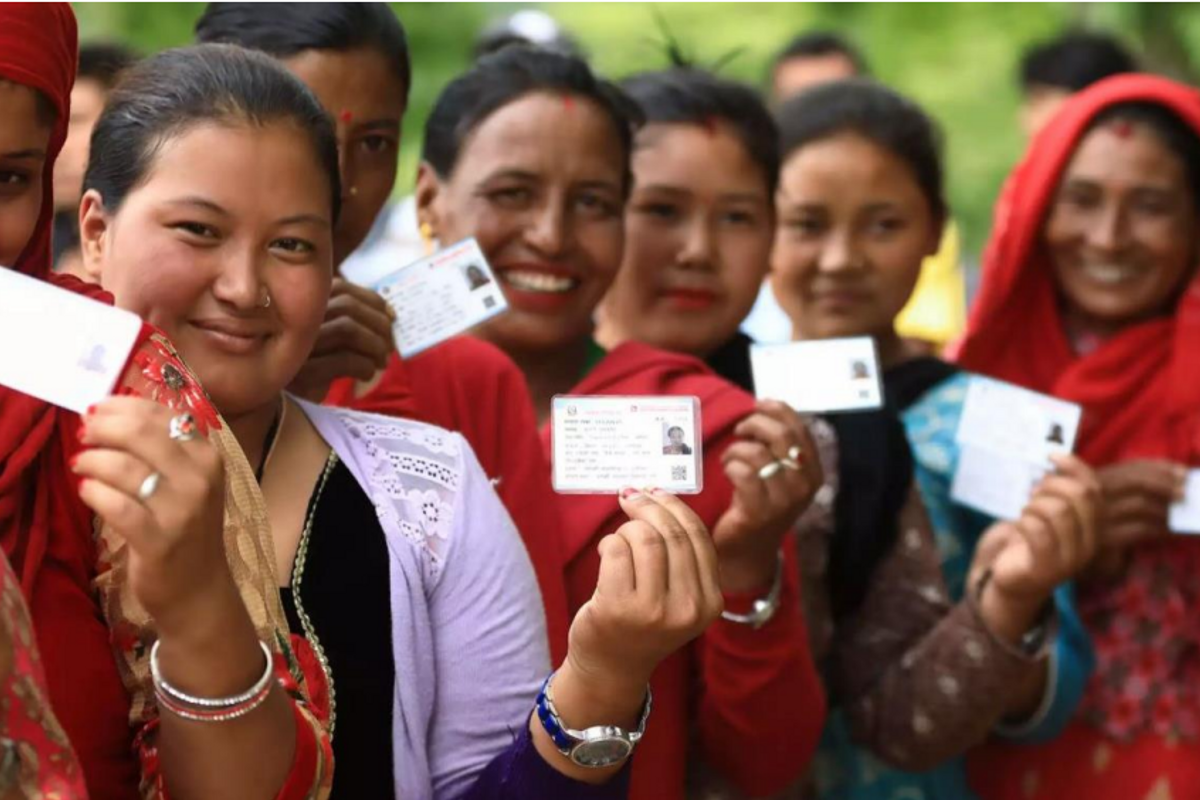
Here’s a handy list of things to keep in mind, especially for first-time voters, while voting in the 2022 local election on Friday, May 13.

Perspectives
8 min read
The power of impeachment is an extraordinary power enshrined in the Constitution to reaffirm the democratic idea that no one is above the law. In Nepal, however, this power is exploited whimsically.

Perspectives
6 min read
The fundamental idea of a masculine Pahadi ethno-state needs to be challenged
Perspectives
4 min read
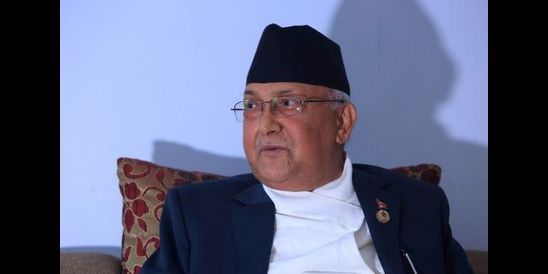
Taking all means to retain power, Oli has indicated that he is heading down an authoritarian path