

Opinions
Perspectives
1 MIN READ

Gaya Prasad Chaudhary was tortured by the Nepal Army twelve years ago, but his suffering continues

In 2003, during the civil war, 24-year-old Gaya Prasad Chaudhary was arrested in Rajapur VDC – Ward 3 (Bardia District) by the Nepal Army on suspicion of being a Maoist. Though he had no connection to the then rebels, he was beaten and tortured. When finally released, Chaudhary had sustained neurological damage that left him in continuous pain. Twelve years later, Gaya Prasad Chaudhary gives his opinion of what happened.
A crowd-sourcing campaign for back surgery for Mr. Chaudhary is underway here.
Correction: September 7, 2015
A previous version of this story stated that Gaya Prasad Chaudhary had not received any compensation from the Government of Nepal. This was untrue. Mr. Chaudhary was reimbursed in 2003 for surgery he underwent following his torture. Due to the severity of his neurological damage, Mr. Chaudhary has needed ongoing medical treatment, from which he has incurred sizable personal debt.
Cover photo: Gaya Prasad Chaudhary and his wife. The Record


COVID19
Features
7 min read
The coronavirus pandemic has become yet another excuse for the government to delay long-overdue investigations into war-era crimes

Features
5 min read
Determined to crush Maoist rebels instead of seeking a political solution, Oli is repeating the same mistakes Deuba made in the 90s which resulted in a decade-long people’s war

Books
4 min read
In her autobiography, Hisila Yami provides a complex narrative that blends her personal narratives with contemporary political happenings.

The Wire
Features
14 min read
A decade has passed since the end of the civil war, but Nepal’s truth and reconciliation program is still suffering from a lack of political will

Podcast
Features
Longreads
23 min read
A trial in Dailekh and its lessons for transitional justice in Nepal

Explainers
4 min read
The army’s role in the procurement of medical supplies is just one instance of its expanding reach in national administration
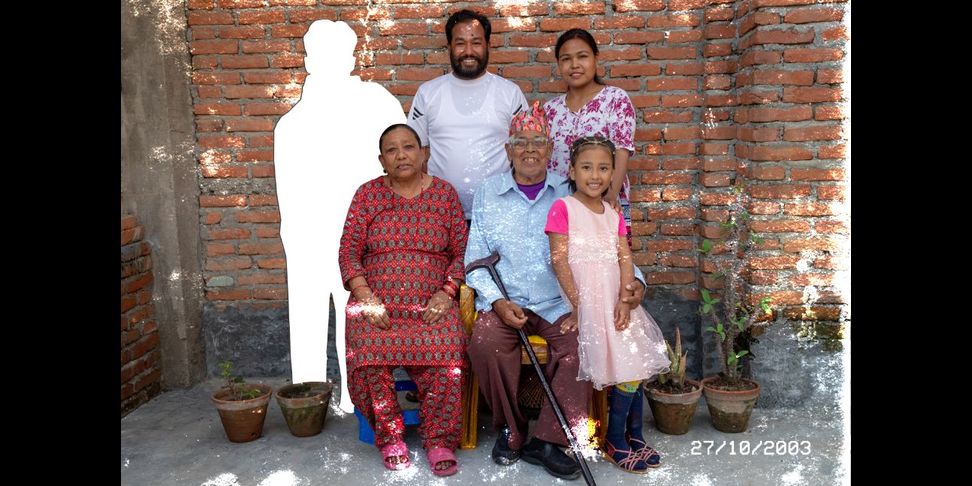
Photo Essays
4 min read
The coronavirus pandemic brought a faint hope for some that their family members who disappeared during the People’s War might finally return

Features
4 min read
The place that was formerly known as the "Maoist Mecca" is now a Biplab stronghold

